Undercut sink clearance for faucet mounting
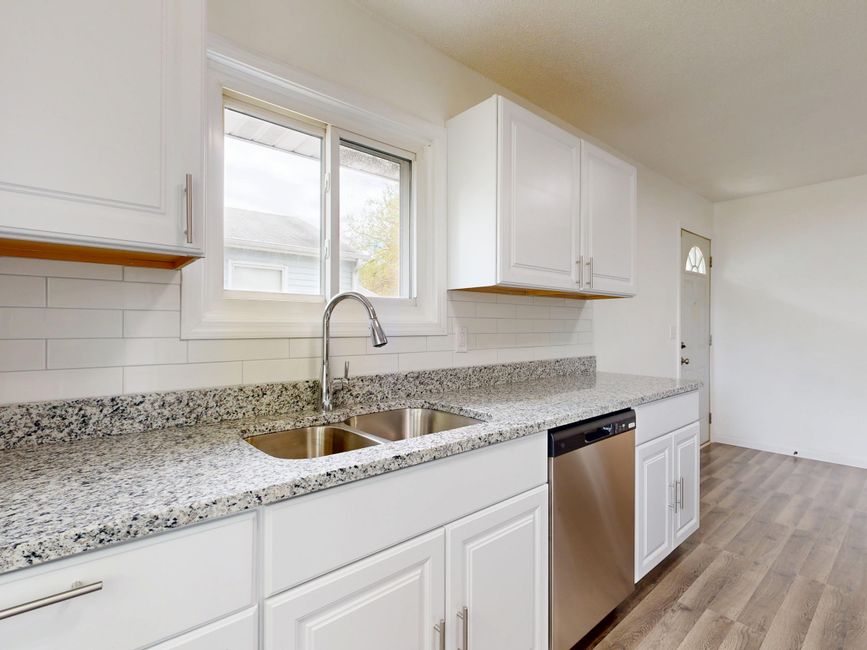
The labor rate depends on the density of the stone. A sink cutout requires precision, as the notes at rancho cucamonga countertop installation shoshaun hergatt explain. Measuring the vertical clearance between the sink rim and the underside of a granite work surface in Rancho Cucamonga, CA requires a tight tolerance.
Calculating Undercut Clearance
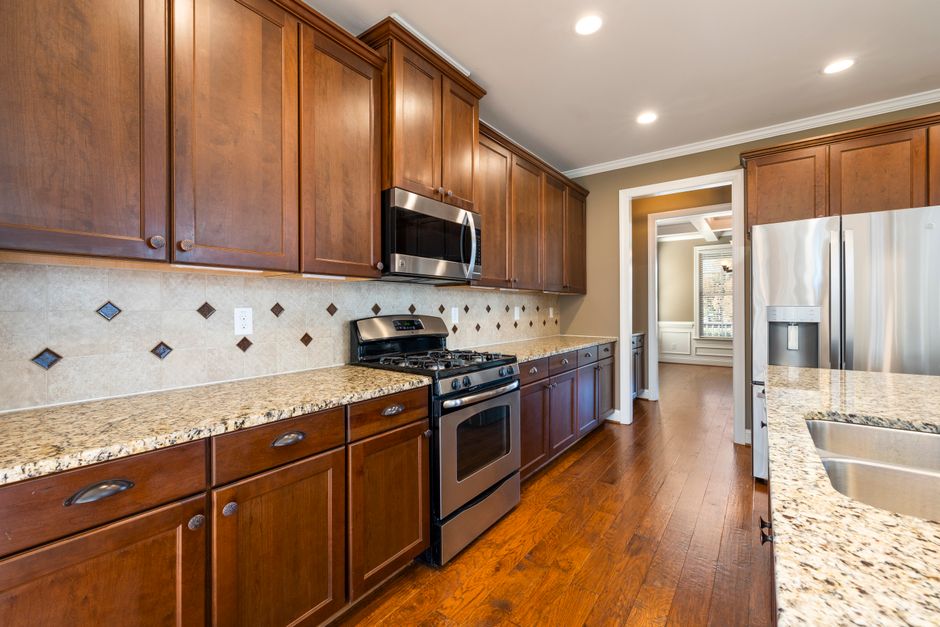
A faucet mounting kit often features a mounting nut and a threaded shank that extends downward. If the distance from the top of the slab to the bottom of the sink cutout is too shallow, the hardware hits the sink basin. This prevents the faucet from seating flush against the stone. A measurement of at least one inch of clearance provides room for standard hardware. For thicker luxury hardware, a larger gap is needed. If the quartz is too thin at the edge, the shank may bottom out against the sink rim.
Sink Type and Material Constraints
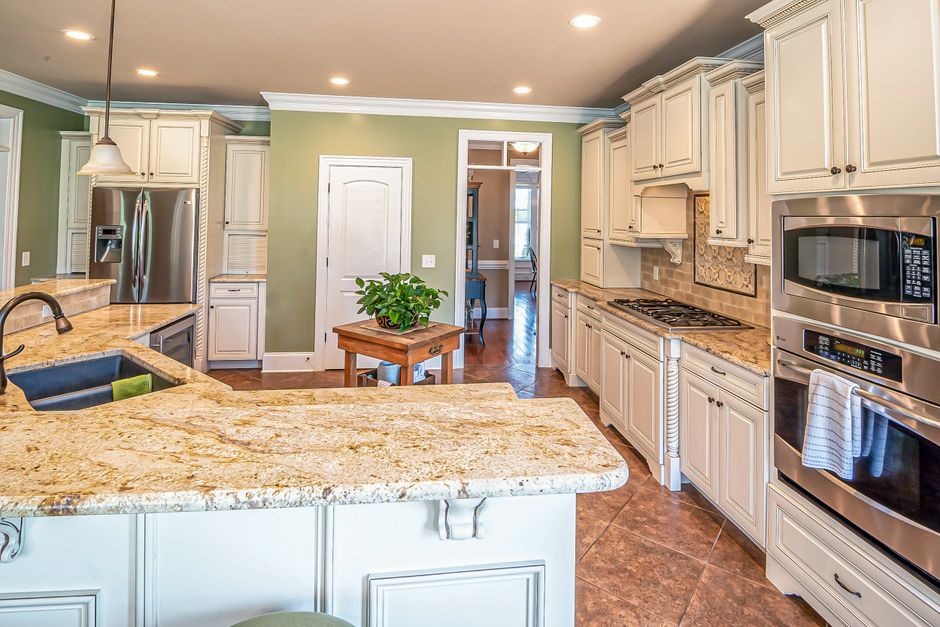
An undermount sink sits below the stone edge. The depth of this sink determines the available space. Using a heavy granite or marble slab means the cutout must be precise to avoid weakening the stone. A digital template ensures the sink cutout matches the basin dimensions exactly. If the sink is deep, the hardware has plenty of room. If the sink is shallow, the faucet mounting assembly might interfere with the rim. This is a mechanical conflict that prevents a proper seal.
Edge Profiles and Structural Integrity
The edge profile affects the total thickness at the mounting point. An eased edge is standard, but a bullnose or a thick waterfall edge changes the vertical math. A thick edge profile adds more material, which actually increases the clearance for the faucet hardware. Conversely, a thin slab or a remnant piece might lack the necessary depth for certain high-end fixtures. Checking the thickness of the slab at the specific point of the cutout is a standard part of the templating process.
Hardware Interference Checks
Standard faucet shanks are narrow, but some high-flow models use wider mounting plates. These plates require a wide enough area around the sink cutout to sit flat. If the sink cutout is too close to the front edge, the hardware might not fit. A seam placement near the sink can also create issues if the hardware rests on a joint. Ensuring the sink cutout is centered and has enough vertical room prevents the need for a second cutout or a different faucet selection.