Mitered edge seam perpendicularity

The mitered apron serves one function: it provides a vertical face that meets the horizontal slab at a precise ninety degree angle. Every teardown rancho cucamonga countertop installation shoshaun hergatt has logged shows the same thing regarding the structural integrity of a waterfall edge. A failed perpendicularity causes a visible gap where the vertical piece meets the top work surface. This misalignment is common in high end granite or quartz jobs throughout Rancho Cucamonga, CA.
Checking the Vertical Plane
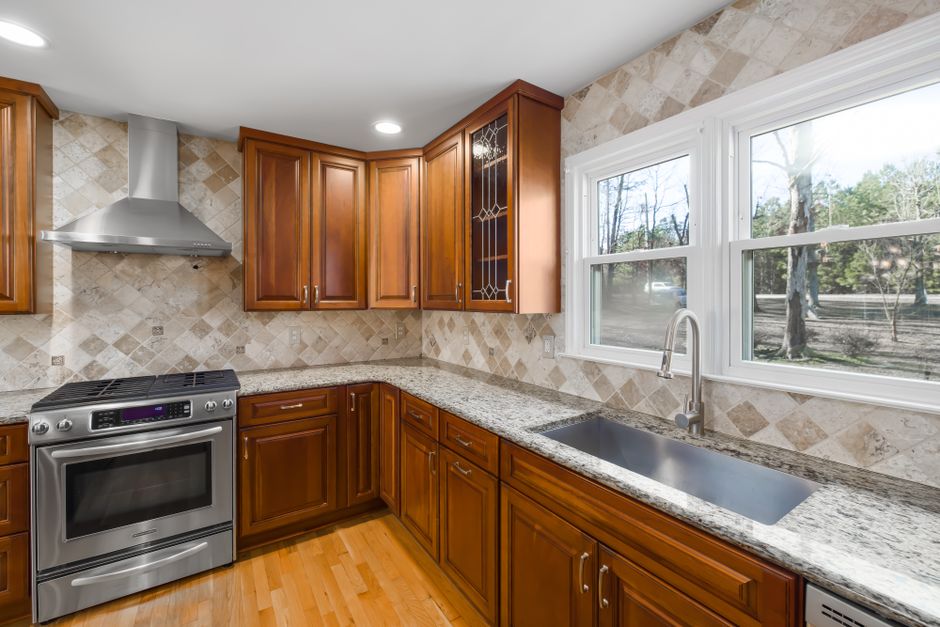
A machinist square provides the most direct measurement. Lay the square against the horizontal slab and press the vertical leg against the mitered face. Any light visible between the square and the stone indicates a deviation from ninety degrees. Even a slight lean in the apron ruins the clean line of the seam. This lean often originates during the initial cutting phase or during the epoxy setting process. A single degree of error at the base becomes a massive gap at the top edge profile.
The Impact of Material Thickness
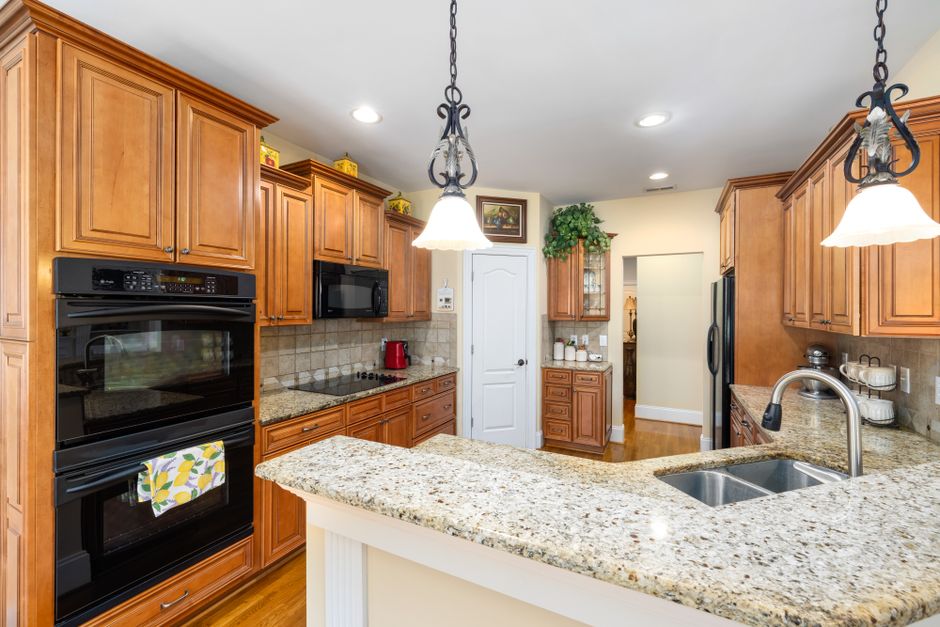
Heavier slabs of quartzite or marble exert more downward pressure on the seam. If the support structure underneath is not level, the vertical apron will tilt. A heavy slab requires a perfectly flat substrate to prevent the mitered joint from twisting. If the vertical face is not plumb, the seam placement will look crooked from a side view. This is not a cosmetic issue alone. A non perpendicular apron creates a stress point that can lead to cracking under heavy loads.
Alignment During Templating
The digital template must account for the exact thickness of the material being used. When fabricating a mitered edge, the math relies on the vertical piece being a perfect ninety degree extension of the horizontal plane. Errors often occur when a remnant is used for a small section without verifying the original slab thickness. Even a fractional difference in thickness between the top and the apron will prevent a tight fit. The seam must be tight enough to hide the adhesive line completely.
Mechanical Fixation Methods
Clamping pressure must be applied evenly across the entire length of the miter. If one side of the clamp applies more force, it pulls the vertical face out of plumb. This creates a wedge shape rather than a square corner. Using a jig helps keep the apron upright while the epoxy cures. Proper support prevents the vertical section from sagging or leaning toward the sink cutout area. A stable setup ensures the apron remains perpendicular to the slab for the life of the installation.