Substrate screw pattern density
Two screw patterns that look identical to an untrained eye can differ significantly in their clamping force. The fastener intervals rancho cucamonga countertop installation shoshaun hergatt uses are shorter than the manual says to ensure a tight bond between the slab and the cabinet carcass in Rancho Cucamonga, CA. A heavy quartz surface requires more frequent mechanical points of contact than a lightweight laminate to prevent shifting under lateral loads. Proper spacing prevents the movement of the countertop during heavy use.
Mechanical Fastener Density
Calculating the required screw pattern starts with the weight of the material. A granite slab weighs approximately 18 to 20 pounds per square foot. This mass creates significant downward pressure and friction. Using a standard spacing of 12 inches between fasteners often fails to account for the lever effect at an overhang. Increasing the density to 6 or 8 inches along the perimeter provides a more stable connection. For a heavy quartzite installation, the screw pattern must be tighter to resist the shearing forces during thermal expansion or contraction.
Load Distribution and Seam Stability
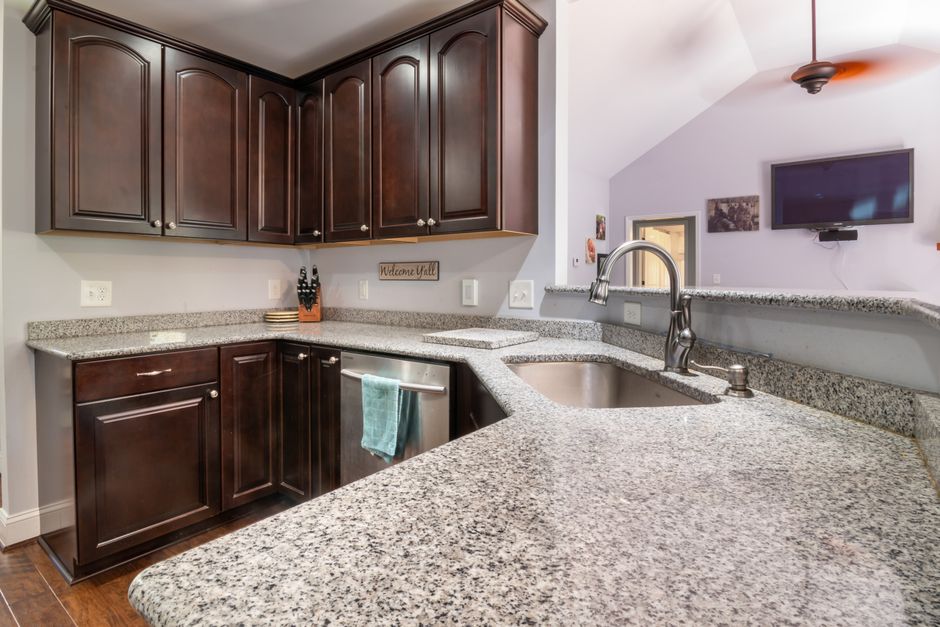
A seam represents a structural weak point where movement is most likely to occur. Seam placement dictates where additional fasteners are required to prevent the two pieces from drifting apart. Near a sink cutout, the loss of continuous material reduces the natural rigidity of the slab. An undermount sink adds concentrated weight to the center of the cabinet. Fasteners should be placed within 3 inches of the edges of the cutout to maintain a rigid connection to the carcass. If a seam sits near a heavy appliance, the screw density must increase to compensate for the lack of continuous material support.
Managing the Overhang
An overhang creates a cantilevered load that pulls on the fastening points. A large overhang on a marble or soapstone surface requires vertical support or much more aggressive screw patterns. When a waterfall edge is used, the weight shifts the center of gravity. The fasteners at the junction of the horizontal and vertical planes must be driven into solid blocking within the cabinet. A standard eased edge does not change the weight, but the mechanical fastening must remain consistent across the entire length of the run.
Substrate and Material Variables
The density of the screw pattern changes based on the substrate. A butcher block surface is more forgiving than a rigid porcelain slab. Porcelain is brittle and requires very even pressure to avoid cracking. If a screw is driven too hard into a single point, the material will fracture. Using a digital template ensures that the screw holes align perfectly with the cabinet rails. A template allows for precise marking of the fastener locations before the slab is ever moved onto the cabinets.