Slab edge chamfering
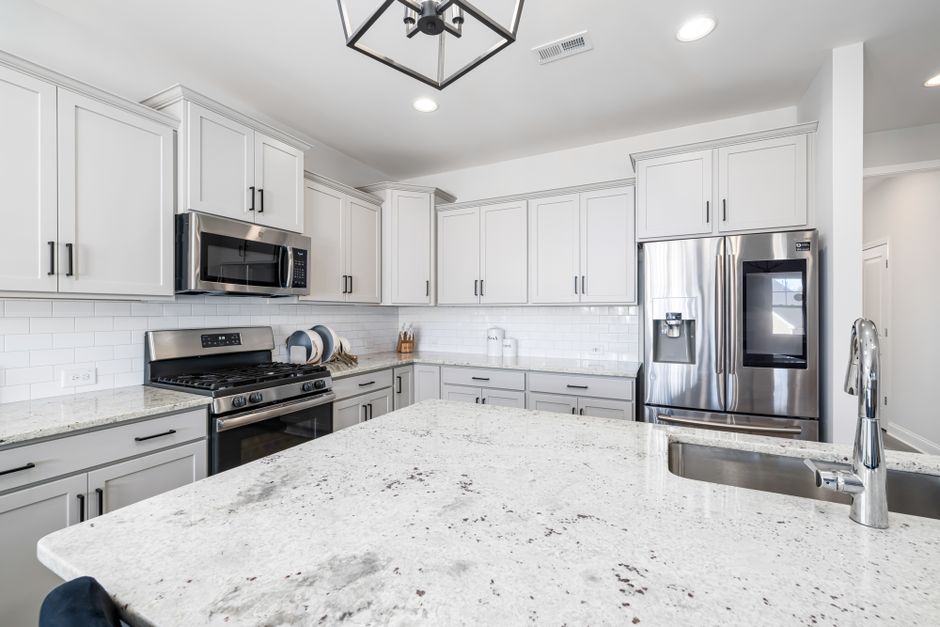
Many fabricators leave the natural edge of a stone slab perfectly square and face a nightmare of micro-fractures during transport. Details regarding these structural vulnerabilities found at rancho cucamonga countertop installation shoshaun hergatt explain how a slight modification prevents breakage. A new quartz work surface in Rancho Cucamonga, CA requires careful handling to maintain integrity.
The Mechanics of Chamfering
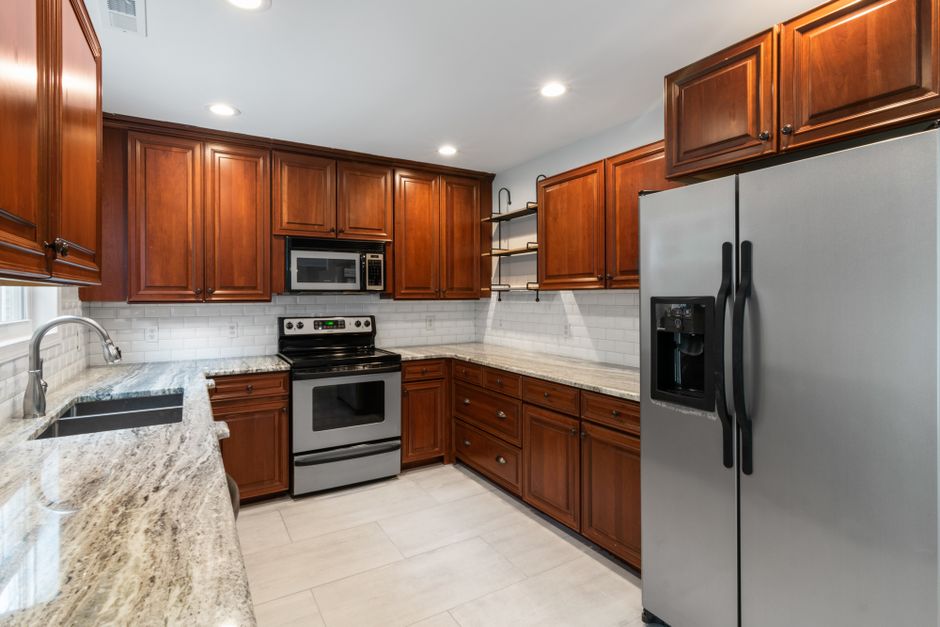
A sharp ninety degree edge acts as a stress concentrator. When a slab hits a corner or a tool, the force travels directly into that thin point, causing a chip. Using a specialized diamond bit to create a small chamfer removes that micro-edge. This process does not change the intended edge profile, such as an eased edge or a bullnose, but it stabilizes the perimeter. The bit removes a tiny fraction of a millimeter of material, creating a slight slope that deflects impact rather than absorbing it. This mechanical change is standard for granite and marble to ensure the stone remains intact after the sink cutout is completed.
Tooling and Material Hardness
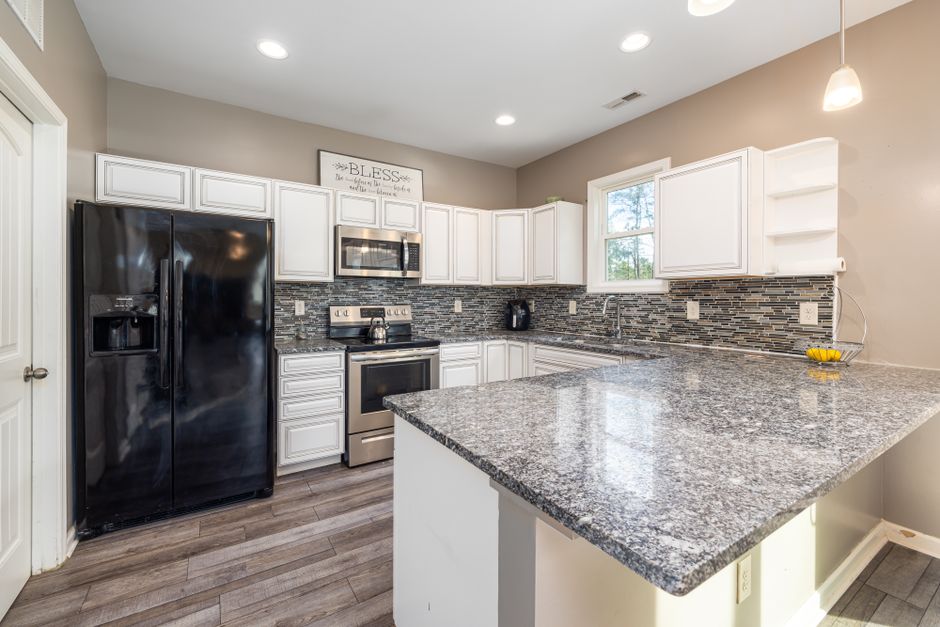
Different stones require specific grit sequences for proper chamfering. A quartzite slab is much harder than a piece of laminate and demands higher RPMs and specific water cooling to avoid heat buildup. Heat buildup can cause thermal shock in porcelain, leading to cracks that radiate from the edge. The goal is a consistent removal of the sharp corner without digging into the face of the stone. A steady hand with a handheld grinder or a router with a diamond bit ensures the bevel is uniform across the entire length of the slab.
Edge Stability and Projections
The risk of chipping increases significantly at the overhang. Where the stone extends past the cabinetry, the leverage applied to a sharp edge is much higher. A chamfered edge provides a much higher tolerance for accidental contact. This is especially true for a waterfall edge where the stone turns ninety degrees downward. If that vertical edge is not chamfered, the risk of a corner snap during the final installation in Rancho Cucamonga, CA is high. Even a small remnant used for a backsplash benefits from this treatment to prevent chipping against the wall.
Final Inspection of the Perimeter
Checking the edge after the chamfer is complete involves feeling for any remaining sharp points. A smooth transition prevents snagging during the cleaning process. Once the template is set and the stone is cut, the chamfering serves as the final mechanical safeguard. Whether dealing with a heavy granite piece or a delicate marble slab, the removal of that microscopic sharp corner is a standard part of a professional fabrication workflow.